Why Copper Pipes Develop Microscopic Pinhole Leaks
Copper has long been celebrated as a durable plumbing material, but under specific environmental conditions, it is vulnerable to localized pitting corrosion. In Woodland and across the Sacramento Valley, copper pinhole leak issues frequently plague homes with original copper piping.
A pinhole leak is not caused by external rust. Instead, it begins on the inside wall of the pipe. When municipal tap water containing dissolved oxygen, chloramines, and variable pH levels flows through copper tubing, microscopic electrochemical cells can form on the copper surface. Over months and years, these cells eat away tiny craters into the metal wall until a microscopic pore perforates the exterior.
High water velocity and excessive municipal water pressure accelerate this pitting mechanism. When water moves faster than 5 to 8 feet per second through undersized lines, hydraulic turbulence strips away copper's natural protective patina, allowing aggressive water chemistry to bore straight through the metal. When this occurs beneath your foundation, it triggers an urgent need for slab leak repair in Woodland.
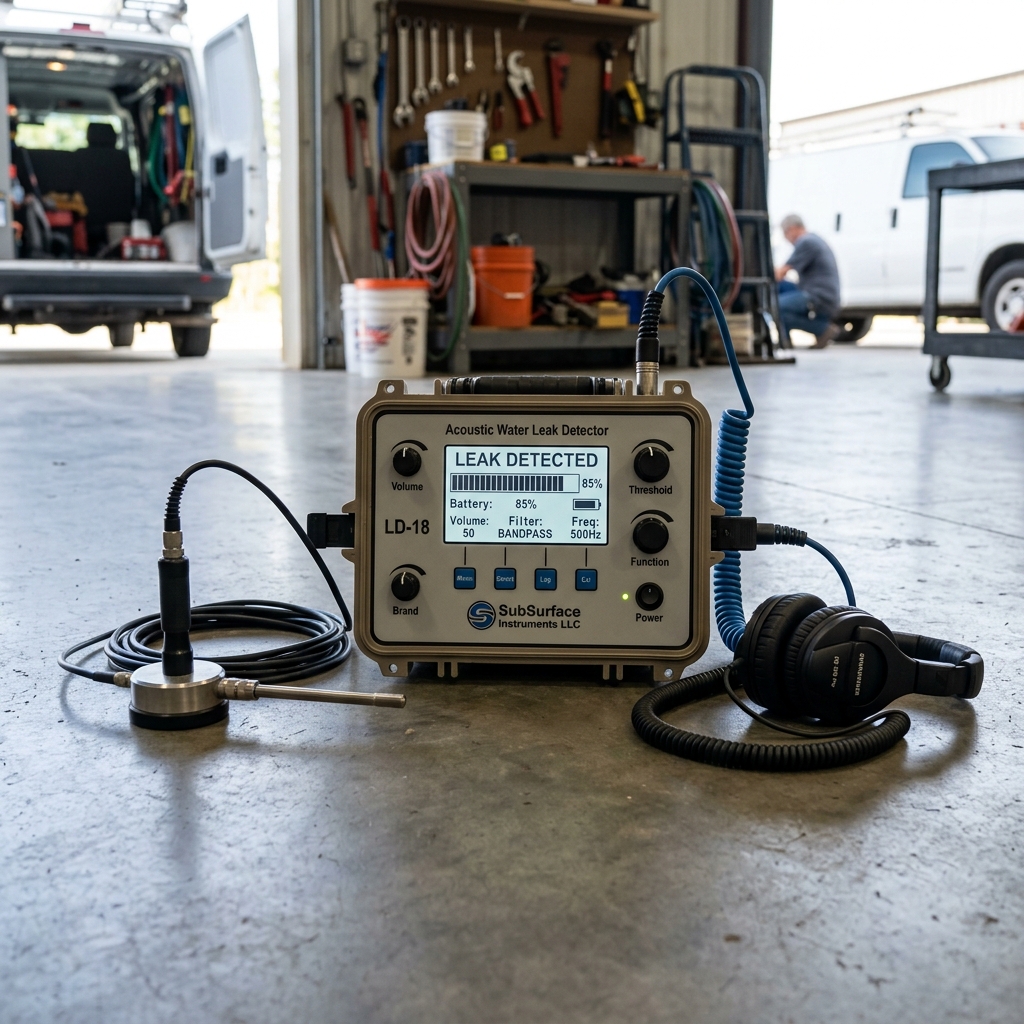
Signs of Copper Pinhole Leaks in Walls and Under Slabs
Pinhole leaks frequently release fine, aerosolized mists or steady tiny drips that build destructive moisture quietly over time:
Greenish-Blue Crust on Exposed Copper
Verdigris oxidation and chalky crust accumulating along copper joints near water heaters, valves, or laundry boxes indicate microscopic seepage through the pipe wall.
Fine Water Spray or Hissing Inside Walls
Hearing a high-pitched acoustic whistle inside drywall where a pinhole is releasing a needle-fine jet of water under 60+ PSI municipal pressure.
Localized Drywall Discoloration
Small, expanding rings of yellowish water staining or bubbling paint on walls several feet above the floor that do not correspond to any plumbing fixture.
Repeat Pinhole Leaks in Different Rooms
If you repaired a pinhole leak six months ago in a bathroom and now notice dampness in the kitchen, the entire copper system is undergoing systemic pitting failure.
Dealing With Copper Pipe Pinhole Leaks in Woodland?
Do not wait for pinholes to multiply. Talk with an expert plumber to evaluate whether a spot repair or permanent bypass is best.
Spot Repair vs. Section Replacement vs. Whole-House Repipe
When our technicians arrive to address copper pipe leak repair Woodland homeowners are presented with clear engineering options based on the condition of their plumbing:
- Localized Spot Repair: If an inspection reveals that the pinhole was caused by physical friction (such as a pipe vibrating against a metal stud or concrete burr) and the surrounding copper wall remains thick and healthy, a soldered copper coupling or mechanical clamp can solve the isolated failure.
- Sectional Overhead Bypass: When pinholes develop in a specific run under the foundation, an overhead slab leak reroute replaces that entire line from manifold to fixture with corrosion-proof PEX tubing, avoiding floor demolition.
- Complete System Replacement: When repeat pinhole leaks Woodland homes experience occur across multiple branches, spot repairs only push water pressure into other compromised sections. In this scenario, investing in whole house repiping provides permanent relief, replacing all deteriorating copper with durable, non-corroding materials.
How to Tell When Pinholes Mean the Entire System Is Failing
If you have had two or more pinhole leaks within three years, your copper plumbing has reached terminal pitting fatigue. Cutting open walls or chipping concrete every few months costs more in emergency mitigation and drywall repair than a planned modern repipe. Combine our pinhole diagnostics with precision slab leak detection, or explore our coverage in Woodland and neighboring communities.
Get Professional Pinhole Leak Advice
Call (888) 205-7875 today to speak with a Woodland copper pipe specialist and schedule an on-site evaluation.